Retail POS Hardware in Pakistan: A 2026 Buyer’s Guide
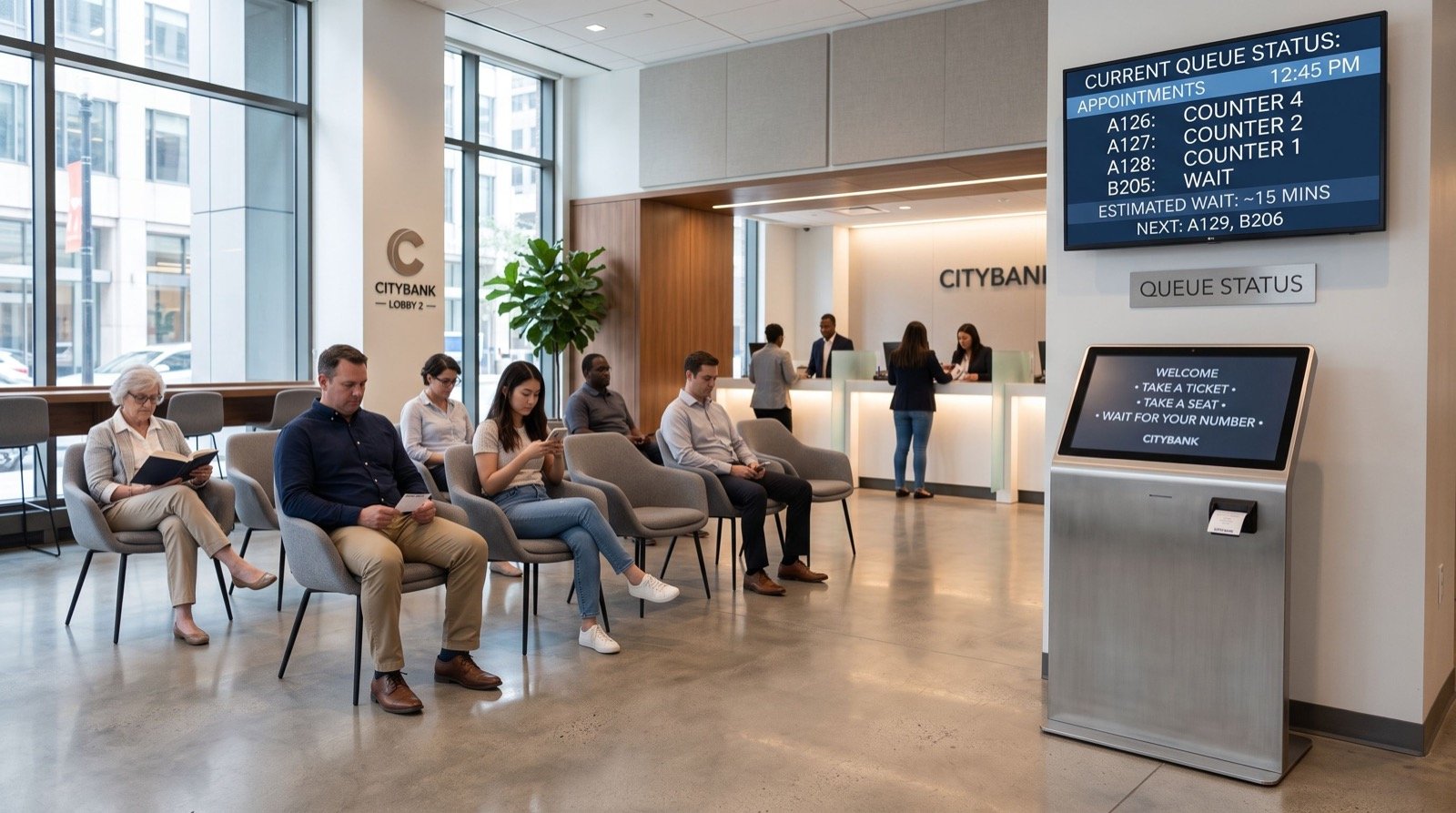
Most retail counters in Pakistan are judged on one thing by customers: how fast the checkout line moves. In 2026, that speed depends less on the till itself and more on two often-overlooked pieces of retail POS hardware in Pakistan: the handheld scanner reading barcodes and the headset staff use to coordinate with stockrooms or call centers during busy hours. Get either one wrong and the whole counter slows down, no matter how good the software is.
Why Scanner and Headset Choice Matters More Than People Think
A checkout counter is a chain of small delays. A scanner that needs three attempts to read a crumpled barcode adds seconds per transaction. Across a full shift, that adds up to real queue length. Likewise, a headset with poor noise cancellation forces staff to repeat themselves on calls to the stockroom, which pulls their attention away from the customer in front of them.
Barcode Scanning Hardware: What to Look for in 2026
Barcode symbologies and read-quality standards are maintained globally by GS1, and a scanner’s ability to read damaged, low-contrast, or small labels is what separates a reliable counter tool from a frustrating one. The Honeywell Orbit HF680 is a common choice for Pakistani retail counters because it is a presentation-style scanner. Staff do not need to pick it up and aim it for every item, which matters during peak hours when speed is everything.
Key things to check before buying any scanner for a retail counter:
- Read range and angle tolerance for both handheld and hands-free use.
- Durability rating if the counter environment is dusty or high-traffic.
- USB and Bluetooth compatibility with the existing POS software.
- Warranty and local service support availability in Pakistan.
Headsets: The Hardware Piece Most Stores Get Wrong
Stores that run a call center-style support line alongside their retail counter, or coordinate frequently with a warehouse, need a headset built for all-day wear and clear audio in a noisy room. The Addasound Epic 301 is built for exactly that use case: extended comfort plus noise-cancelling microphone performance, which keeps conversations clear even when the shop floor is loud.
Prolonged exposure to high volume through a poorly designed headset is also a documented workplace concern tracked by the U.S. National Institute for Occupational Safety and Health, which is one more reason noise-cancelling design is not just a comfort feature.
A mismatched headset is one of the most common and cheapest-to-fix problems on a retail counter, yet it is often the last item considered in a hardware budget.
What Does a Complete 2026 Counter Hardware Setup Cost?
Budgets vary by store size, but the table below gives a realistic range for a single-counter setup in Pakistan this year.
| Item | Entry Tier | Recommended Tier |
|---|---|---|
| Barcode scanner | Basic laser handheld | Presentation scanner (e.g., Orbit HF680) |
| Headset | Single-ear wired | Noise-cancelling wireless (e.g., Epic 301) |
| Expected counter speedup | Minimal | 15-25% faster transactions |
| Staff fatigue over an 8-hour shift | Higher | Noticeably lower |
How Do You Decide Which Tier Your Store Actually Needs?
A small single-till shop with low daily volume may not need the recommended tier on day one. Three questions help decide:
- How many transactions does the busiest counter process per hour at peak?
- Do staff spend meaningful time on calls or radio coordination during a shift?
- Is barcode damage or low-quality printing a recurring problem at your counter?
If the answer to any of these is yes, the entry tier is usually a false economy. The time lost to slow scans or repeated calls costs more over a year than the hardware upgrade itself.
Getting Noticed Alongside Getting Equipped
Buying the right counter hardware solves half the problem. The other half is making sure customers actually find your store or service listing online before they decide where to shop. Retailers upgrading their in-store experience in 2026 are often working in parallel with trusted professionals to make sure that investment in a faster counter is matched by visibility in local search results.
Setting Up Scanner and Headset Together Without Creating Conflicts
A detail many shops overlook: a Bluetooth headset and a Bluetooth scanner sitting next to each other at the same counter can occasionally interfere if both are paired to the same device without proper channel management. Before rolling out new hardware to every till, it is worth testing the full combination, scanner, headset, and POS software, at a single counter for a few days rather than assuming they will simply work together out of the box.
A short pre-rollout checklist helps avoid surprises:
- Confirm both devices pair reliably with the POS terminal without manual re-pairing each shift.
- Test scan accuracy on the store’s actual product labels, not just a demo barcode sheet.
- Have staff wear the headset for a full shift before approving it store-wide, since comfort complaints usually surface after hour four, not in the first ten minutes.
- Check battery life claims against a real 8-10 hour trading day, including charging habits between shifts.
Why Local Support Matters as Much as the Spec Sheet
A scanner or headset with excellent published specifications is still a liability if there is no local technician or distributor who can repair or replace it quickly. Pakistani retailers sourcing hardware in 2026 increasingly ask suppliers directly about turnaround time for repairs and whether loaner units are available during a warranty claim, since a single broken scanner at a busy counter during Eid or end-of-month rush is a real revenue hit, not just an inconvenience. Buying from a supplier with a track record in the local market, rather than the cheapest import listing, is usually the better long-term decision even at a slightly higher upfront cost.
Frequently Asked Questions
What is the best retail POS hardware in Pakistan for a small shop in 2026?
For low-volume counters, a reliable handheld scanner and a basic wired headset are usually sufficient. Presentation scanners and wireless headsets become worthwhile once transaction volume or call frequency increases.
Does a better scanner really speed up checkout lines?
Yes. Presentation-style and hands-free scanners cut the seconds-per-item lost to failed reads, and that adds up quickly across a full shift of transactions.
Why does a headset matter for a retail counter?
Staff who coordinate with stockrooms, delivery riders, or a call center line need clear audio and comfort for long shifts. A poor headset increases repeated calls and staff fatigue.
How often should counter hardware be replaced?
Most retail-grade scanners and headsets last three to five years with normal use, though high-traffic counters should budget for earlier replacement of wear items like cables and scan windows.
Conclusion
Retail counters in Pakistan live or die on small efficiencies, and scanner and headset choice are two of the cheapest, highest-impact upgrades available in 2026. Match the hardware tier to your actual counter volume, check warranty and local support before buying, and treat the headset with the same seriousness as the scanner. It is just as responsible for how fast your line moves.